Downtown DistrictAlexandria Governorate
Squares & streetsMahatet El Raml & Saad Zaghloul Square

Squares & streetsThe cosmopolitan city

Mahatet El Raml & Saad Zaghloul Square

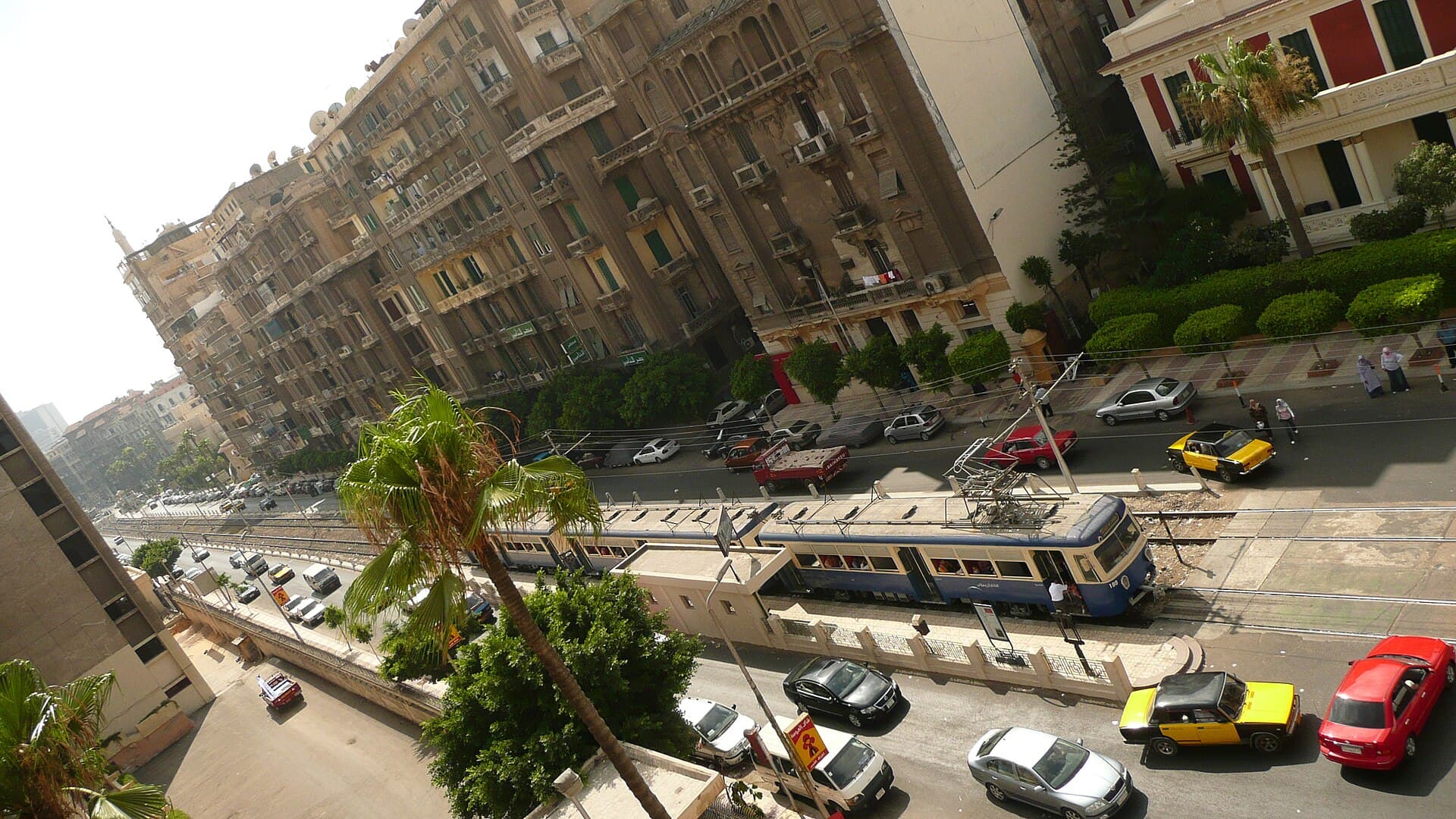
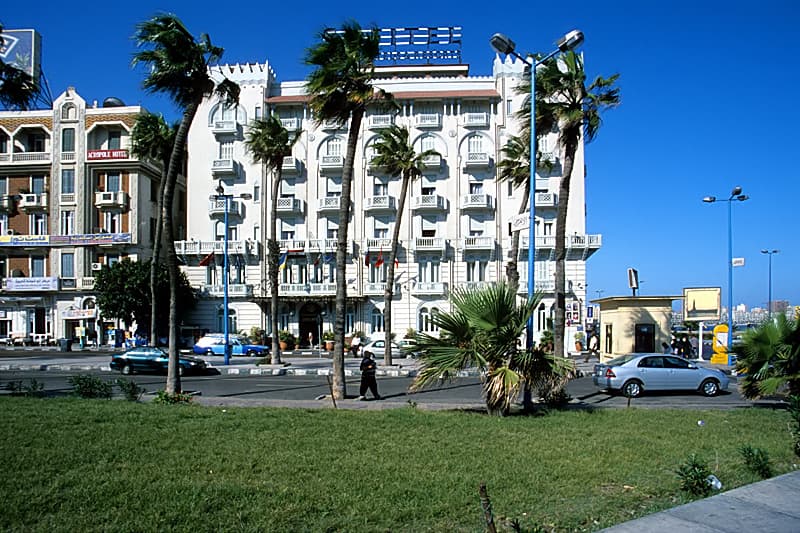
A meeting point of streets, cafés and historic hotels, Mahatet El Raml introduces downtown Alexandria; the Raml tram is suspended for its upgrade.

The cosmopolitan city
From 1863 — the Ramleh line’s terminus
Opening hours
Open area at all hours; the tram has been suspended for its upgrade since 4 April 2026
Tickets
No entry fee; replacement buses run while the tram is upgraded
Administrative section
El Attarin

What sets it apart

Saad Zaghloul’s statue on its tall Aswan-granite base facing the Eastern Harbour, and the blue-and-white Raml tram cars

8 documented memories

Its place in time

The cosmopolitan city · 1860 – 1950

The district at the height of its plurality: Greek, Italian, French, Levantine, Jewish and Armenian communities; the tram, theatres, hotels and cafés; classical, Art Nouveau and Art Deco buildings.

Highlights

  • 1The historic tram terminus
  • 2The Saad Zaghloul statue
  • 3Landmark cafés
  • 4Views over the Eastern Harbour

The story

  1. The first Ramleh train, pulled by four horses, left the terminus here on 8 January 1863. Mahatet El Raml is the central terminus of the Raml tram, whose lines ran out to Victoria and, via Bacos, to San Stefano. The tram was partly suspended on 11 February 2026 and stopped entirely on 4 April 2026 for its development and upgrade project; reopening is expected in 2028, according to the National Authority for Tunnels, and replacement buses and minibuses run while the work goes on.

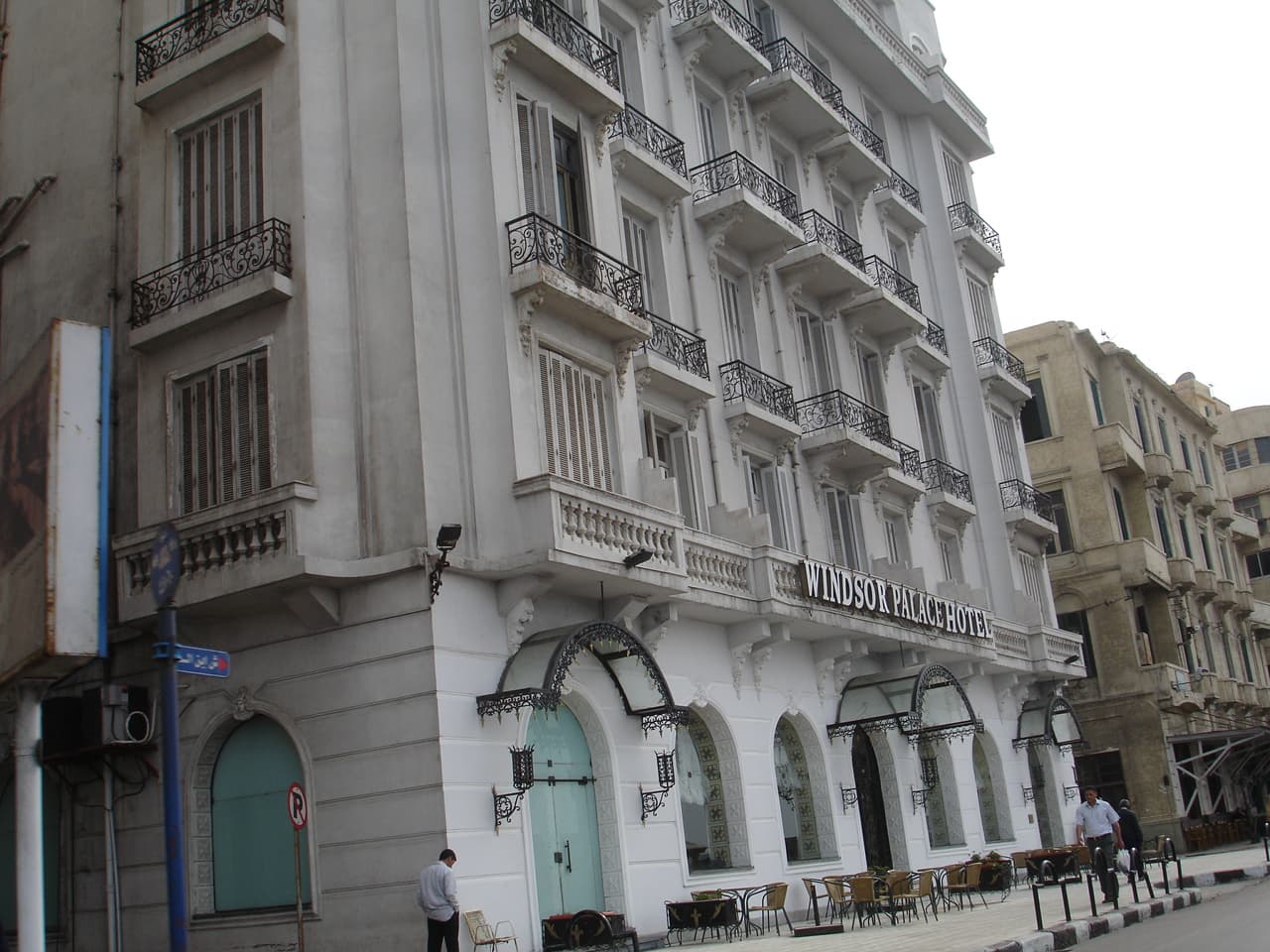
  2. Beside it, Saad Zaghloul Square holds the statue of the nationalist leader looking over the Eastern Harbour, ringed by hotels and cafés dating from the first half of the twentieth century.

  3. Safiya Zaghloul and Nabi Daniel streets connect this area with downtown museums and landmarks. Choose stops to suit the distances and walking conditions.
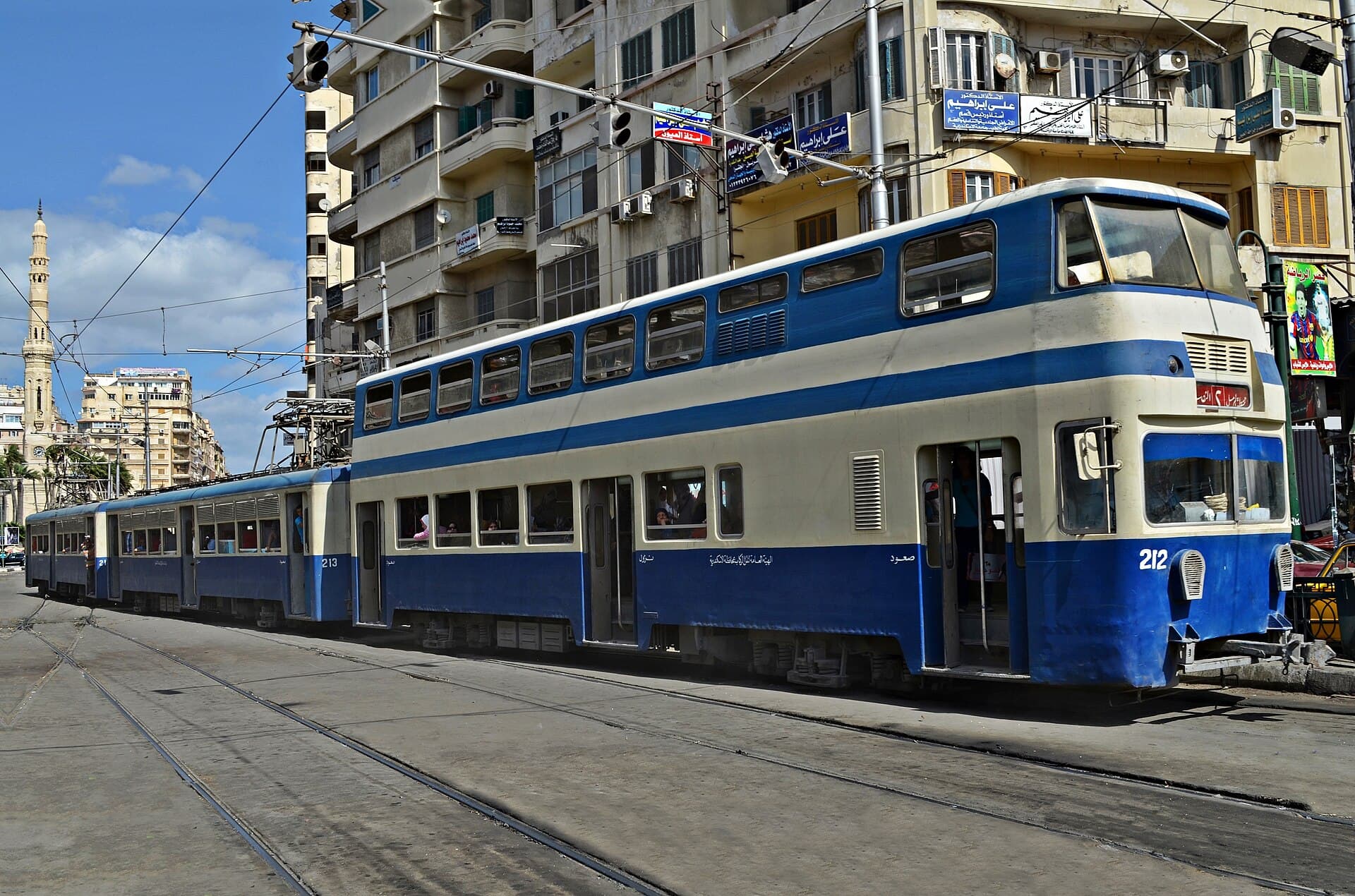
  • The blue double-decker Raml tram at Mahatet El Raml, the minaret of the Qaed Ibrahim Mosque behind it
    The blue double-decker Raml tram at Mahatet El Raml, the minaret of the Qaed Ibrahim Mosque behind it

Memories of the place

Every memory is taken from a published, documented source.

  1. c. 13 BC

    Latin and Greek inscriptions on a bronze crab of the obelisk later called Cleopatra’s Needle record that the Roman prefect Barbarus and the architect Pontius re-erected it in Alexandria, in the eighteenth year of an emperor, probably Augustus.

  2. 1st century AD

    Pliny the Elder recorded two obelisks standing in Caesar’s Temple at Alexandria, near the harbour.

  3. 8 January 1863

    The first Ramleh train, pulled by four horses, left the station; in August that year steam locomotives replaced the horses.

  4. 1877

    A companion obelisk that had lain fallen in the sand beside Cleopatra’s Needle left Alexandria; it now stands on the Thames Embankment in London.

  5. March 1880

    Cleopatra’s Needle stood just west of the Ramleh station until March 1880; Khedive Ismail presented it to the City of New York.

  6. 1883

    The architect Antonio Lasciac designed the Ramleh railway station building.

  7. 27 August 1938

    Mahmoud Mokhtar’s statue of Saad Zaghloul, ordered by the Wafd government in March 1930, was unveiled after the sculptor’s death, at the same time as its twin in Cairo. In Alexandria it faces the Mediterranean and the Eastern Harbour.

  8. 4 April 2026

    The Raml tram stopped entirely for its development and upgrade project, after a partial suspension from 11 February 2026. The full stop was planned for 1 April and postponed a few days because of the weather.

Around it

© OpenStreetMap

Nearby landmarks

Distances are as the crow flies. Choose any pin to open that place.