Downtown DistrictAlexandria Governorate
MuseumsAlexandria National Museum

MuseumsThe cosmopolitan city

Alexandria National Museum

Once a palace on Tariq El Horreya, this museum tells chapters of Egypt’s and Alexandria’s history across three floors.

The cosmopolitan city
Late-1920s palace — museum since 2003
Opening hours
Daily 9:00–17:00 (ticket office closes 16:00)
Tickets
Separate Egyptian and foreign tariffs; student discount
Administrative section
Bab Sharqi

What sets it apart

A 1920s Italianate villa set in a garden; underwater finds from Abu Qir Bay.

5 documented memories

Its place in time

The cosmopolitan city · 1860 – 1950

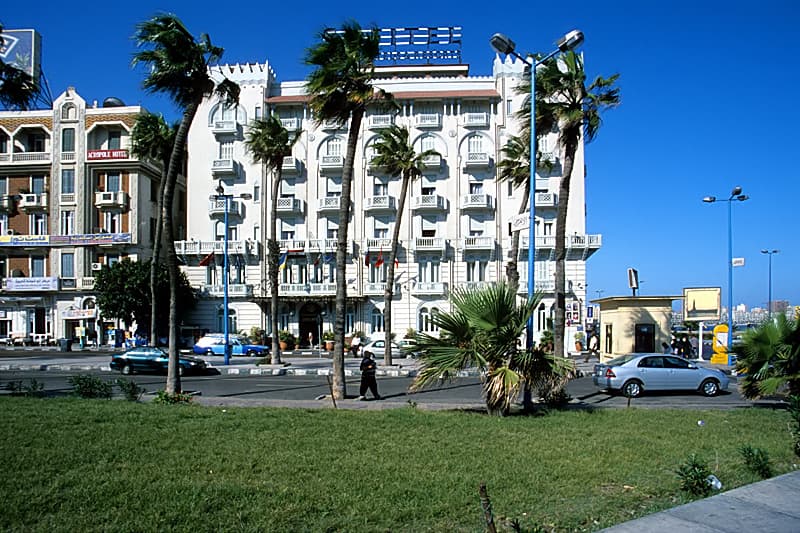
The district at the height of its plurality: Greek, Italian, French, Levantine, Jewish and Armenian communities; the tram, theatres, hotels and cafés; classical, Art Nouveau and Art Deco buildings.

Highlights

  • 1Recovered underwater antiquities
  • 2The chronological display
  • 3The palace building and garden
  • 4The Coptic collection

The story

  1. The building was put up in the late 1920s as an Italianate palace for Asaad Basili Pasha, one of Alexandria’s wealthiest men, who lived in it until 1954. According to press accounts, the US Embassy then bought it for its consulate, which stayed until the mid-1990s. In 1996 the Supreme Council of Antiquities bought the building and turned it into a museum, which opened on 31 August 2003.

  2. The displays move through successive periods: pharaonic collections in the basement, Greek and Roman on the ground floor, and Coptic, Islamic and modern above. This arrangement helps visitors follow connections between the collections.

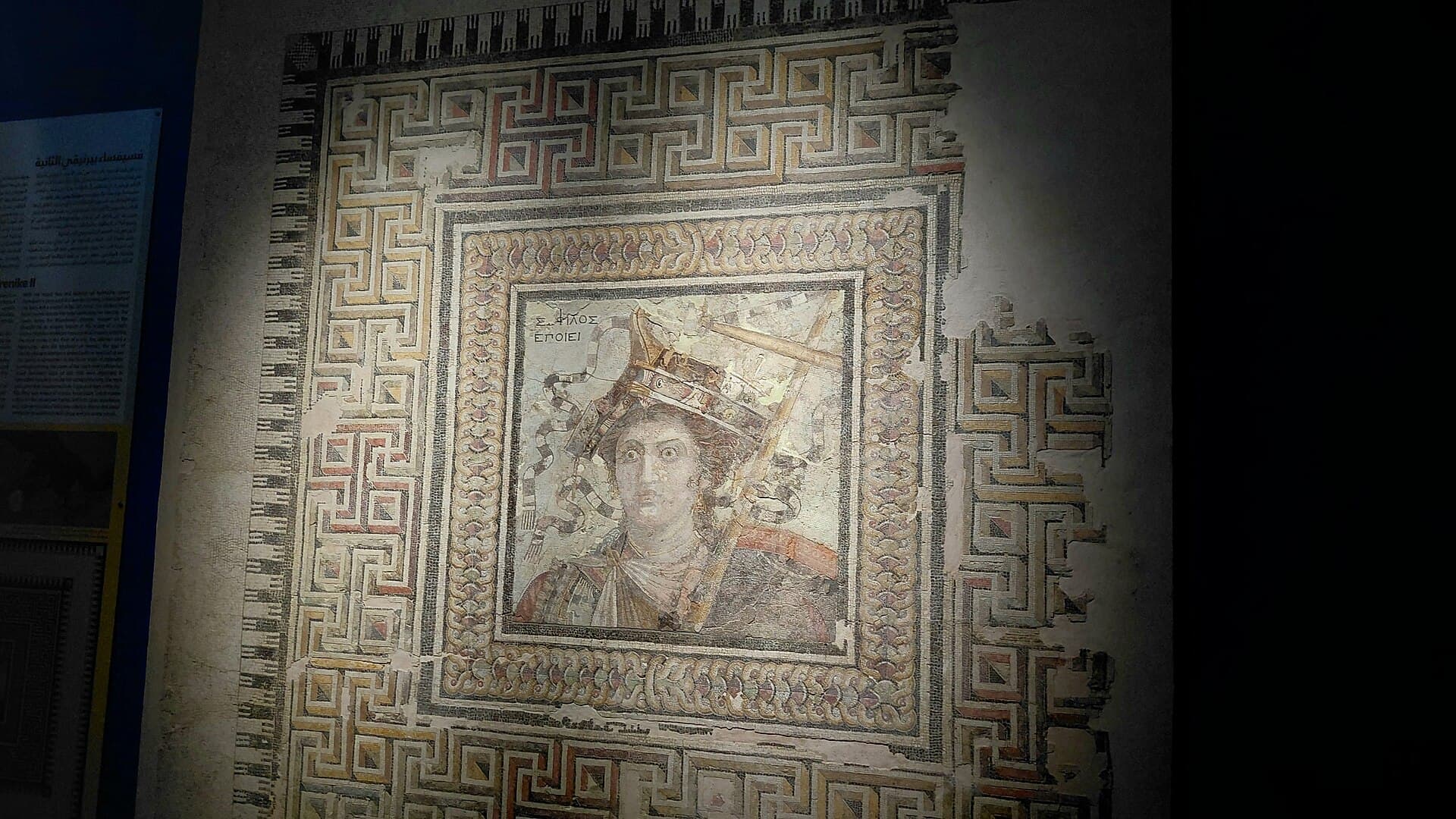
  3. It holds some 1,600 to 1,800 objects, depending on the source. Objects recovered from the Eastern Harbour and Abu Qir Bay connect the city’s history on land with its submerged remains.
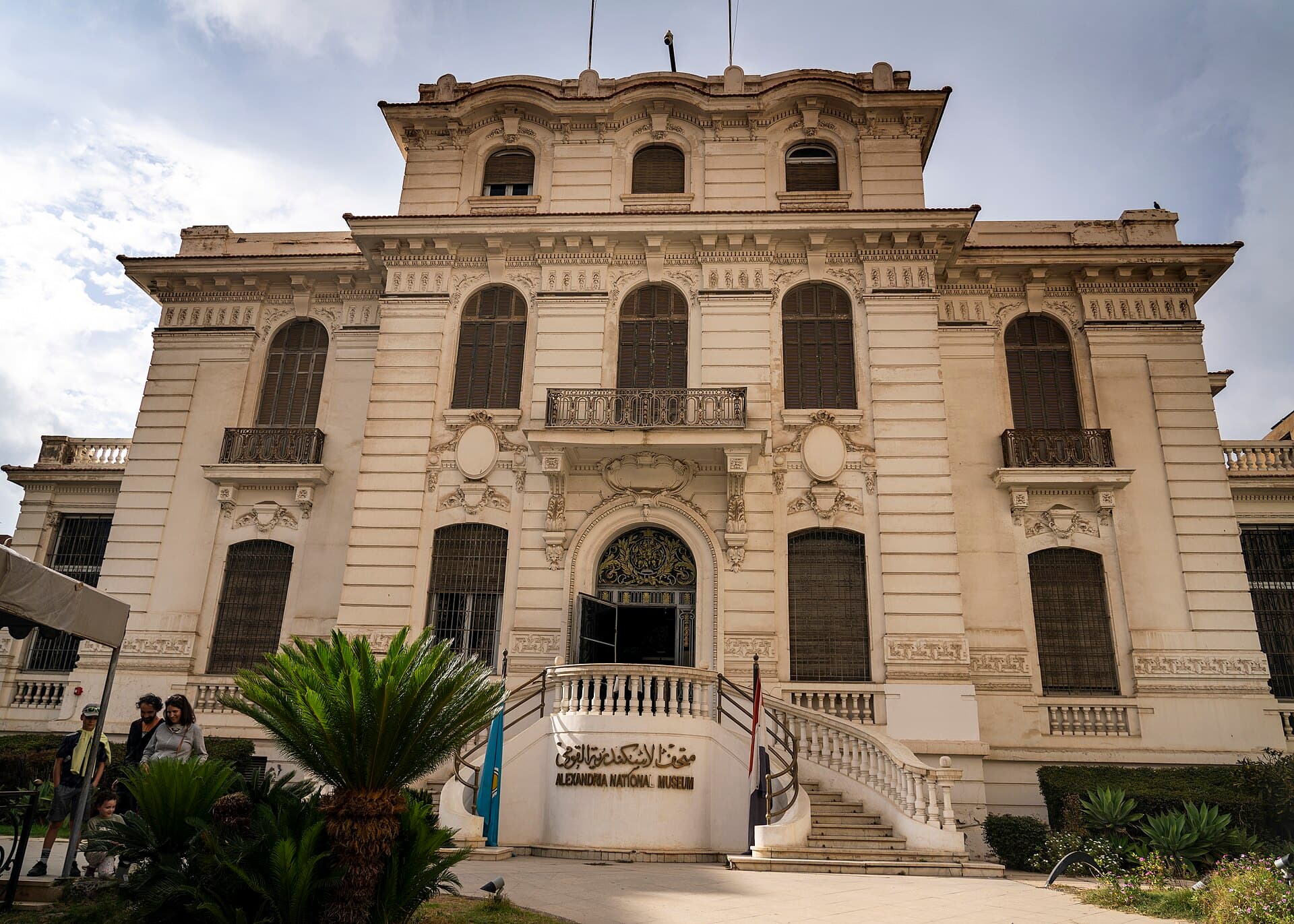
  • The Alexandria National Museum in its Italianate palace on Tariq El Horreya
    The Alexandria National Museum in its Italianate palace on Tariq El Horreya

Memories of the place

Every memory is taken from a published, documented source.

  1. 1928Sources differ on this date

    The building was put up as an Italianate palace for Asaad Basili Pasha, one of Alexandria’s wealthiest men. Most sources give 1928; some give 1926 or 1929.

  2. 1954

    Asaad Basili Pasha lived in the palace until 1954, when the US Embassy bought it to house its consulate in Alexandria.

  3. 1996

    The Supreme Council of Antiquities bought the building and later converted it into an archaeological museum.

  4. 31 August 2003

    The museum opened to the public.

  5. 2019

    National Geographic reported that an early Hellenistic marble statue found in Shallalat Gardens in 2009, which its excavator links to Alexander the Great, was on show at the museum.

Around it