 Arab Republic of Egypt · Official portal — Alexandria Governorate
About
Alexandria’s historic and administrative heart
Ancient remains, modern architecture and everyday life meet in Hay Wasat. Explore the story of the place, its administrative sections and its priorities.
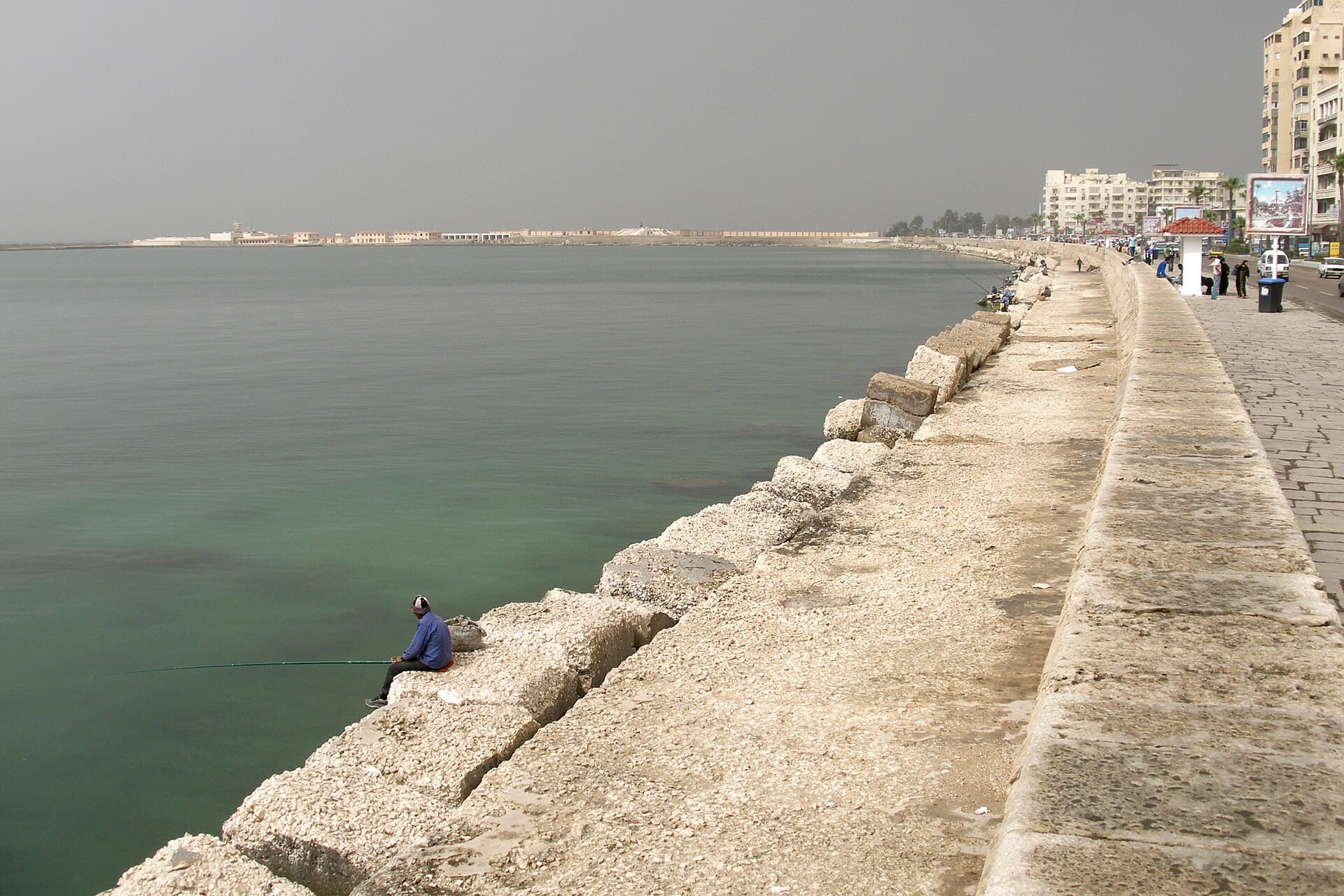
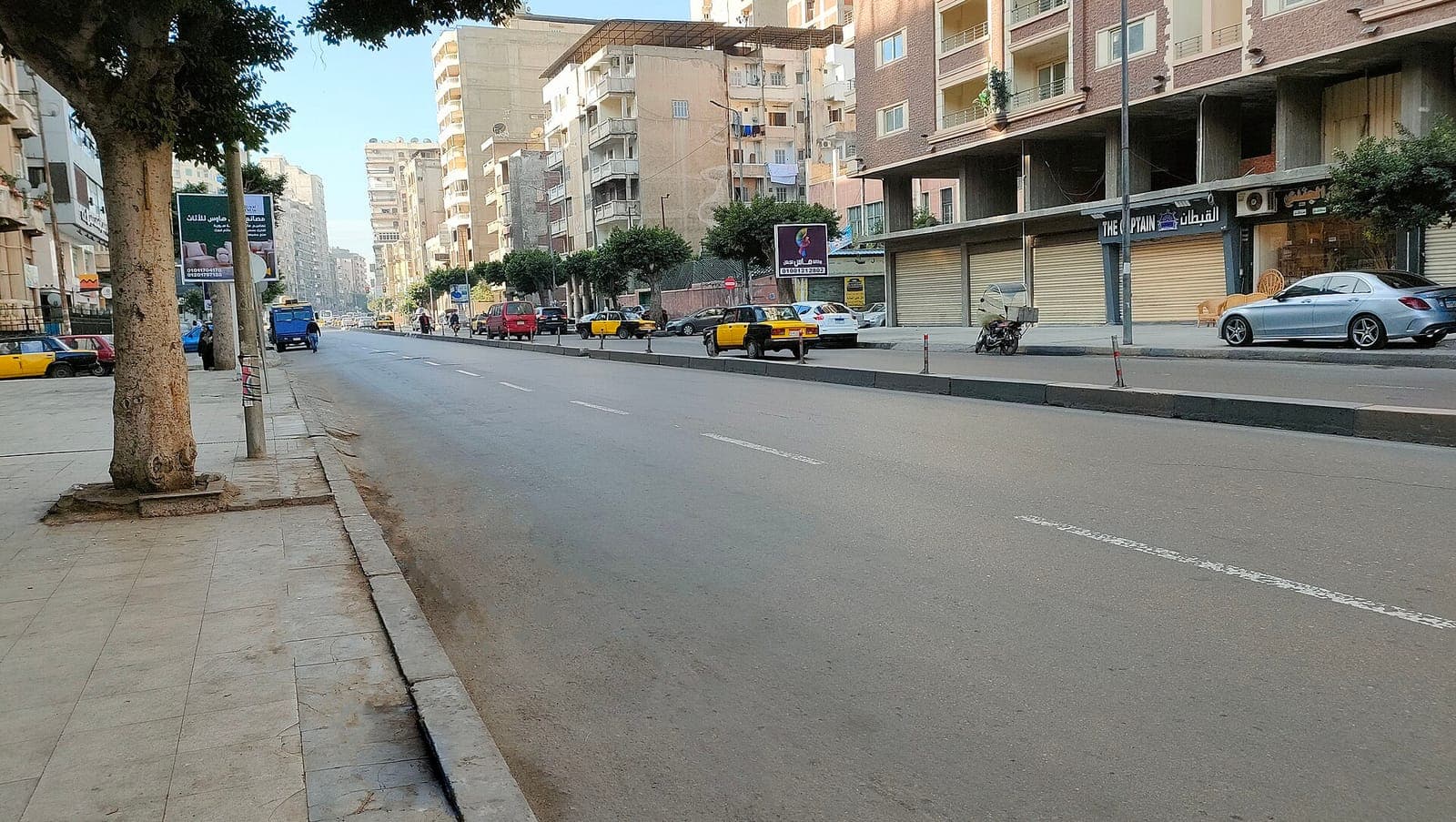
In Hay Wasat, Alexandria’s stories meet everyday life: the remains of Kom El Dikka, the façades of Fouad Street, a library facing the sea, and streets where people live and work. Together they reveal layers of the city, from its ancient plan to its modern architecture.
The district comprises three administrative sections: Moharram Bek, Bab Sharqi and El Attarin. They contain twenty-five units: twenty-two shiakhas and three Abis villages belonging to Moharram Bek. Its landmarks include the Bibliotheca Alexandrina, the Roman theatre and the Graeco-Roman Museum.
The district serves residents’ daily needs while welcoming visitors to its cultural sites. Clear services, heritage conservation and thoughtful management of streets and markets matter to pedestrians, shopkeepers and residents alike.
- Shiakhas and villages
- 25
- Administrative sections
- 3
- Years of history
- 2,300+
The district at a glance
Our vision for clearer services, protected heritage and a district that welcomes residents and visitors.
For Downtown District to be the reference model among Alexandria’s districts in service quality, economy and culture — and to remain the keeper of the city’s historic memory.
The district in numbers
25
Shiakhas and villages
3
Administrative sections
2,300+
Years of history
Shiakhas and villages as published in the governorate’s administrative chart (January 2015).
Administrative sections
Three sections: Moharram Bek, Bab Sharqi and El Attarin, each with its own urban character and needs.
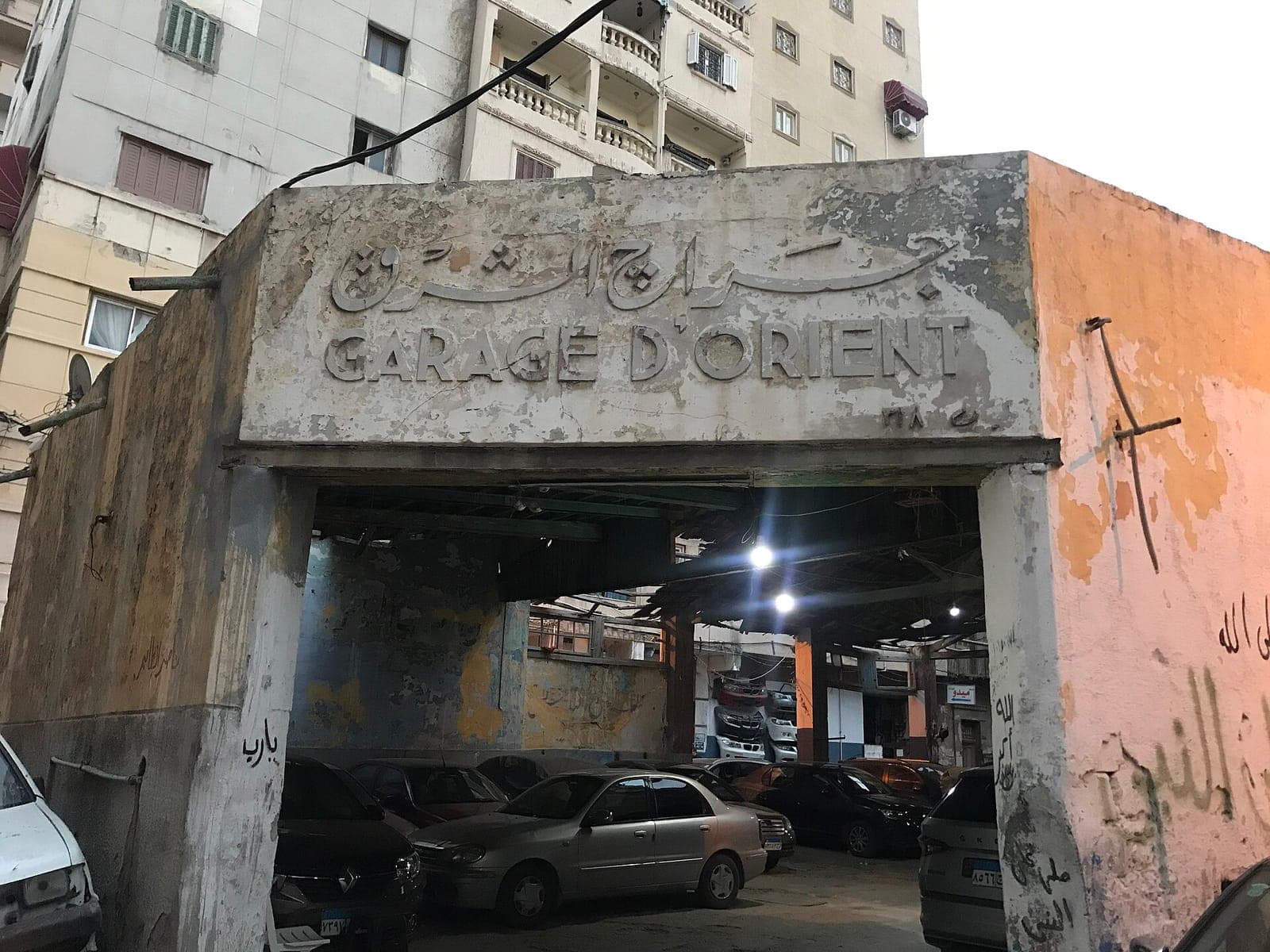
El Attarin
العطارين
Mahatet El Raml, the Roman theatre and the antique markets
- Population (2017 estimate)
- 36,955
- Divisions
- 8 shiakhas
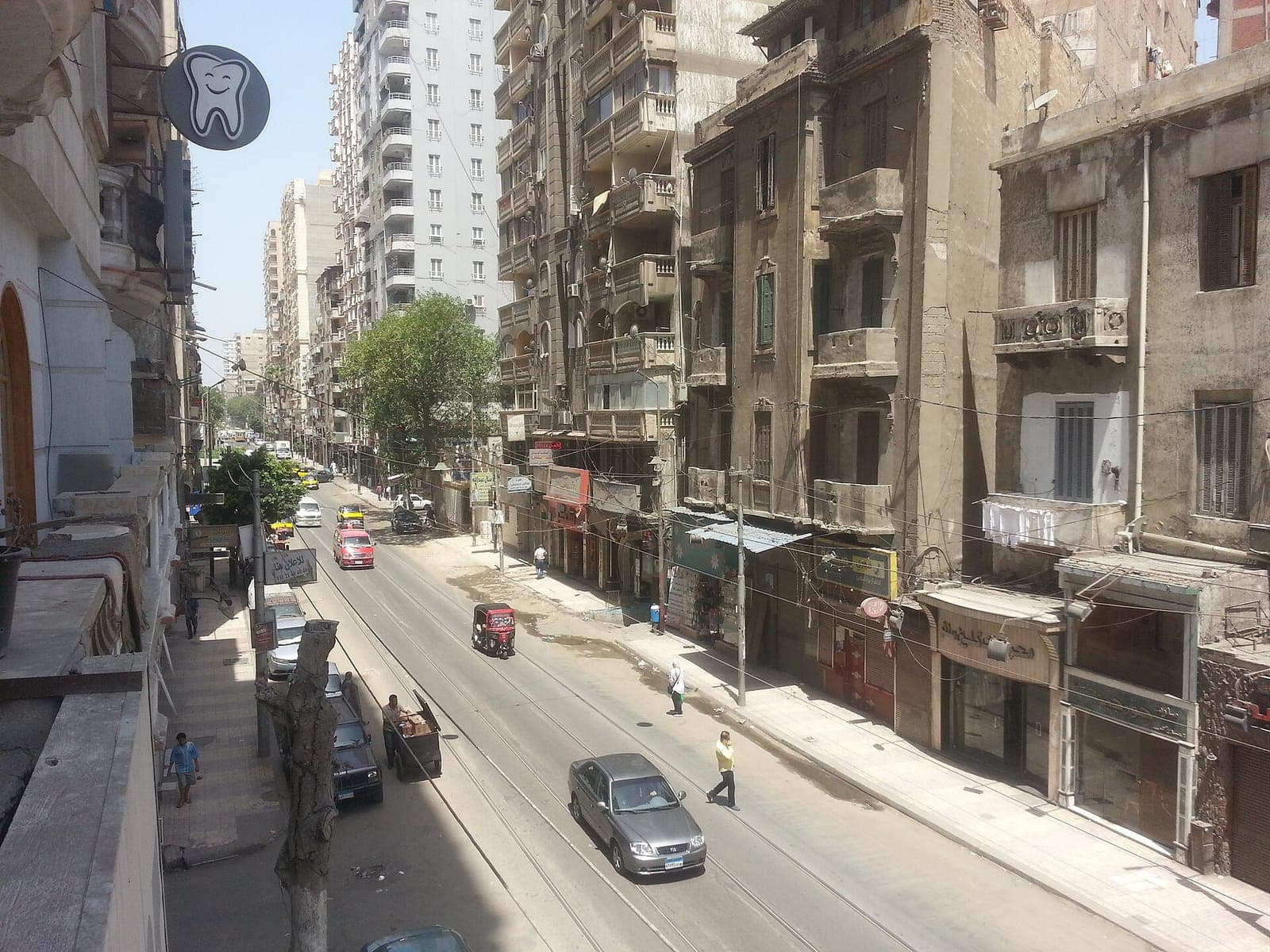
Moharram Bek
محرم بك
Misr Station and the Museum of Fine Arts
- Population (2017 estimate)
- 280,609
- Divisions
- 7 shiakhas and 3 villages (Abis 7, 8 and 10)
Bab Sharqi
باب شرقي
The Library of Alexandria and Shallalat Gardens
- Population (2017 estimate)
- 227,221
- Divisions
- 7 shiakhas
Sources: CAPMAS — population estimates for 1 July 2017, pages 13–14; Alexandria Governorate — administrative divisions of Hay Wasat (January 2015). Population figures are per-qism estimates and are not added into one total.
Timeline
331 BC
The city is founded
Alexander the Great founded the city on the site of the village of Rhakotis, and the architect Dinocrates laid out a grid in which the east–west Canopic Way crossed the north–south Soma Street. Fouad Street still follows very nearly the first of these.
3rd century BC
The Library and the Pharos
Under the Ptolemies the city flourished as a capital and as the centre of learning in the ancient world, with its Library and Mouseion and its lighthouse, counted among the seven wonders. The Library had a daughter collection in the Serapeum temple at Karmouz.
1st – 4th century AD
Roman Alexandria
The Roman period left its clearest traces inside the district at Kom El Dikka: its Roman theatre (odeon), one of the few Roman theatres found in Egypt and the only one in Alexandria, its baths, and the Byzantine lecture halls beside it. The Kom El Shoqafa catacombs and Pompey’s Pillar stand in Karmouz, in the West District.
7th – 15th century
The Islamic centuries
The city contracted within a smaller wall built under Ahmad ibn Tulun and repaired by later dynasties; one of its towers still stands inside Shallalat Gardens.
1805 – 1848
The Mohamed Ali revival
Mohamed Ali Pasha revived the city as a port and trading centre, the Mahmoudiya Canal was cut, and Consuls’ Square — later El Manshia, in the neighbouring El Gomrok District — was laid out as the heart of the modern city and the home of its foreign communities.
1860 – 1950
The cosmopolitan city
The district reached the height of its plurality: Greek, Italian, French, Levantine, Jewish and Armenian communities; classical, Art Nouveau and Art Deco buildings; cafés, theatres and publishing houses. In this city Cavafy wrote his poems, and here the Mohamed Ali Theatre opened in 1921.
1960 – 2003
Discovery and rediscovery
The Roman theatre was uncovered by chance around 1960, and discoveries at Kom El Dikka followed. In 2002 the Bibliotheca Alexandrina opened as a revival of the ancient library, and the Alexandria National Museum followed in 2003.
Today
A district balancing its layers
The district today works on three parallel tracks: improving everyday services for residents, conserving the built and archaeological heritage, and managing movement and encroachment so the markets stay alive and pedestrians stay safe.
Our priorities
Four commitments that govern the district’s day-to-day decisions.
- 01
Fast, understandable service
Helping people find clear information about documents and available procedures, and understand how to ask questions and follow up before visiting.
- 02
Conserving heritage
Caring for historic buildings and archaeological sites as part of the city’s memory, everyday life and future.
- 03
Streets for people
Rebalancing pedestrians, vehicles and commercial occupancy in narrow, crowded streets.
- 04
Access for everyone
Services, information and facilities that work for older people, people with disabilities, and non-Arabic speakers.