Downtown DistrictAlexandria Governorate
Parks & gardensShallalat Gardens

Parks & gardensThe Islamic centuries

Shallalat Gardens

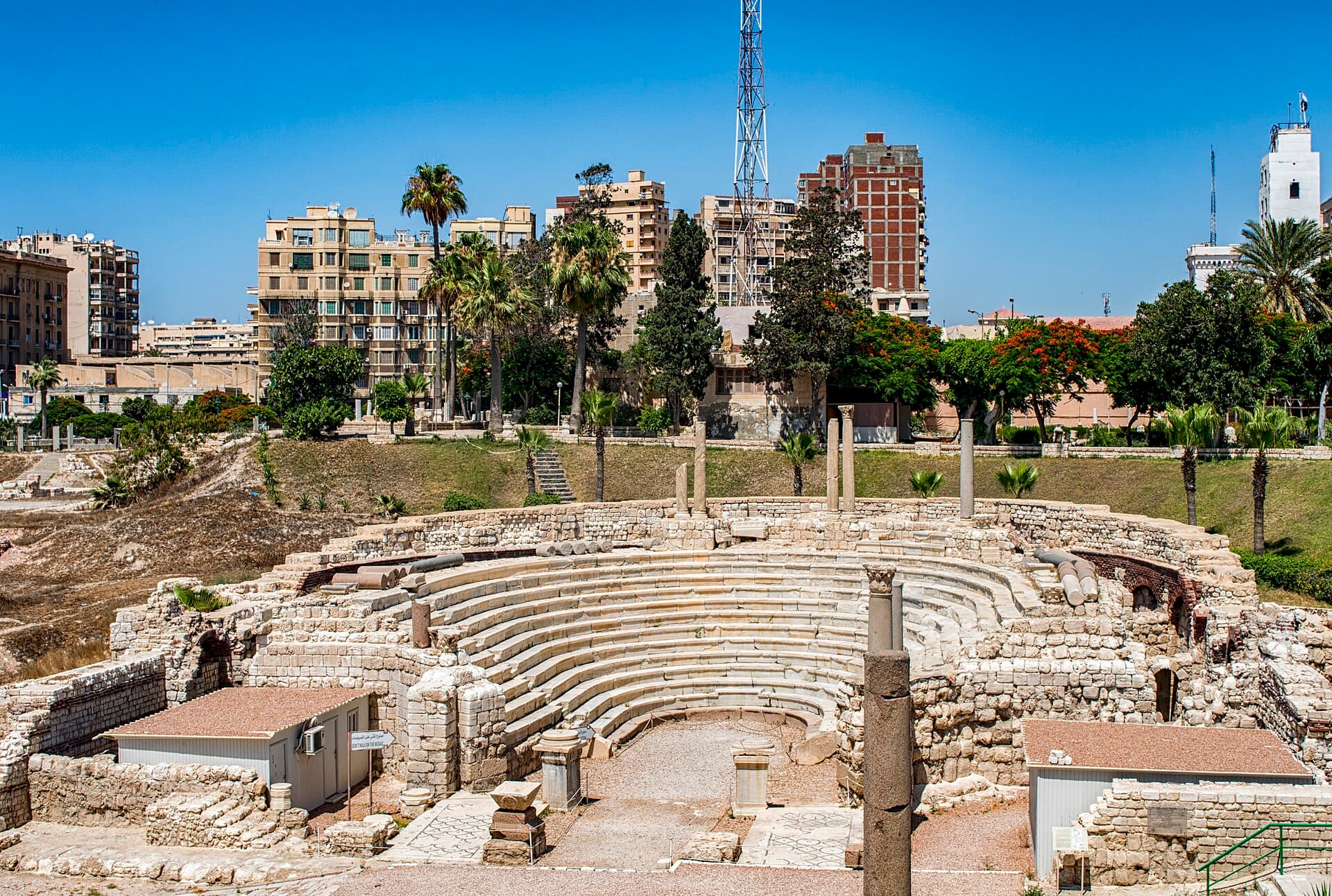
Green spaces, lakes and walking paths surround a surviving tower of Alexandria’s walls, bringing the city’s past into a garden setting.

The Islamic centuries
On the line of the 9th-century wall, under Ibn Tulun
Opening hours
Daily 9:00 until sunset
Tickets
Free entry
Administrative section
Bab Sharqi

What sets it apart

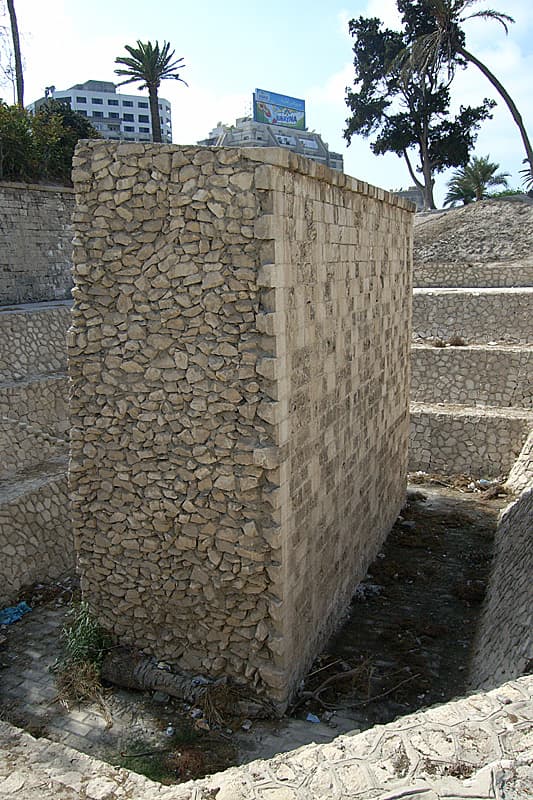
A medieval stone wall tower among mature trees, beside an artificial lake.

5 documented memories

Its place in time

The Islamic centuries · 7th century – 1805

The city contracted within a smaller wall built under Ibn Tulun, its gates later reinforced by the Fatimids and a forward wall added by the Ayyubids; one of its towers still stands inside Shallalat Gardens.

Highlights

  • 1The surviving wall tower
  • 2The artificial lake
  • 3Mature trees
  • 4Tabiyet Nahassin, the remnant of an 1845 bastion

The story

  1. The gardens follow the line of the old city wall, and a tower of the medieval wall — built under Ibn Tulun in the ninth century, with a forward wall later added by the Ayyubids — still stands inside, making this both an archaeological site and a public park.

  2. E. M. Forster described them in 1922 as the Municipal Gardens, laid out by M. Monfront: the fortifications had turned into picturesque hillocks, and the water of an old canal was kept in an artificial pool. Today the garden has an artificial lake and paths shaded by mature trees.

  3. A walk combines the garden landscape with surviving fortifications. The stonework and tower make the park a setting for exploring the walls’ history as well as spending time outdoors.
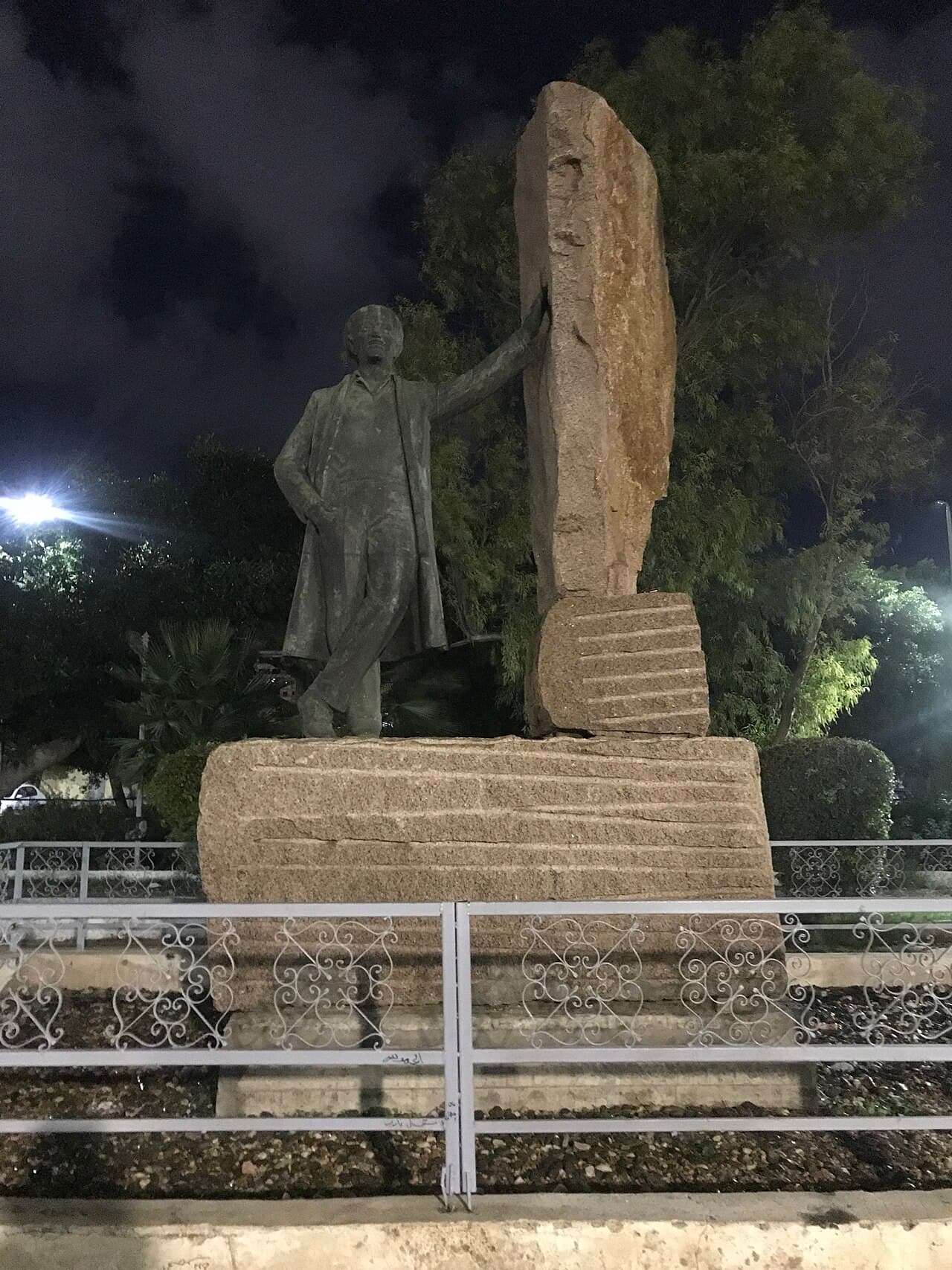
  • A statue in the Shallalat Gardens at night, beside a granite block from the city’s antiquities
    A statue in the Shallalat Gardens at night, beside a granite block from the city’s antiquities

Memories of the place

Every memory is taken from a published, documented source.

  1. 9th century AD

    The gardens lie on the line of the wall built under Ibn Tulun; their tall free-standing tower is one of the last two towers of the medieval wall.

  2. Early 20th century

    When the Municipality demolished the adjacent curtain walls, it chose to keep the tower as a feature of the gardens.

  3. 2007

    The Hellenic Research Institute of the Alexandrian Civilization began its project in the gardens with a geophysical survey; the excavator chose the site because ancient sources, especially Strabo, place it in the royal quarter.

  4. 4 May 2009

    A marble statue of a standing nude young man was found 8 m below ground; its excavator connects its features and style with portraits of Alexander the Great.

  5. 24 April 2026

    The exhibition ‘Twenty Years of Excavations in Shallalat Gardens’ opened at the Bibliotheca Alexandrina Antiquities Museum.

Around it