Downtown DistrictAlexandria Governorate
MuseumsGraeco-Roman Museum

MuseumsThe cosmopolitan city

Graeco-Roman Museum

Sculpture, coins and mosaics trace the meeting of Egyptian and Greek cultures in a museum founded in 1892.

The cosmopolitan city
1892
Opening hours
Sun–Thu 9:00–17:00; Fri–Sat 9:00–20:00; Ramadan 9:00–16:00
Tickets
Museum ticket; student discount with a card
Administrative section
El Attarin

What sets it apart

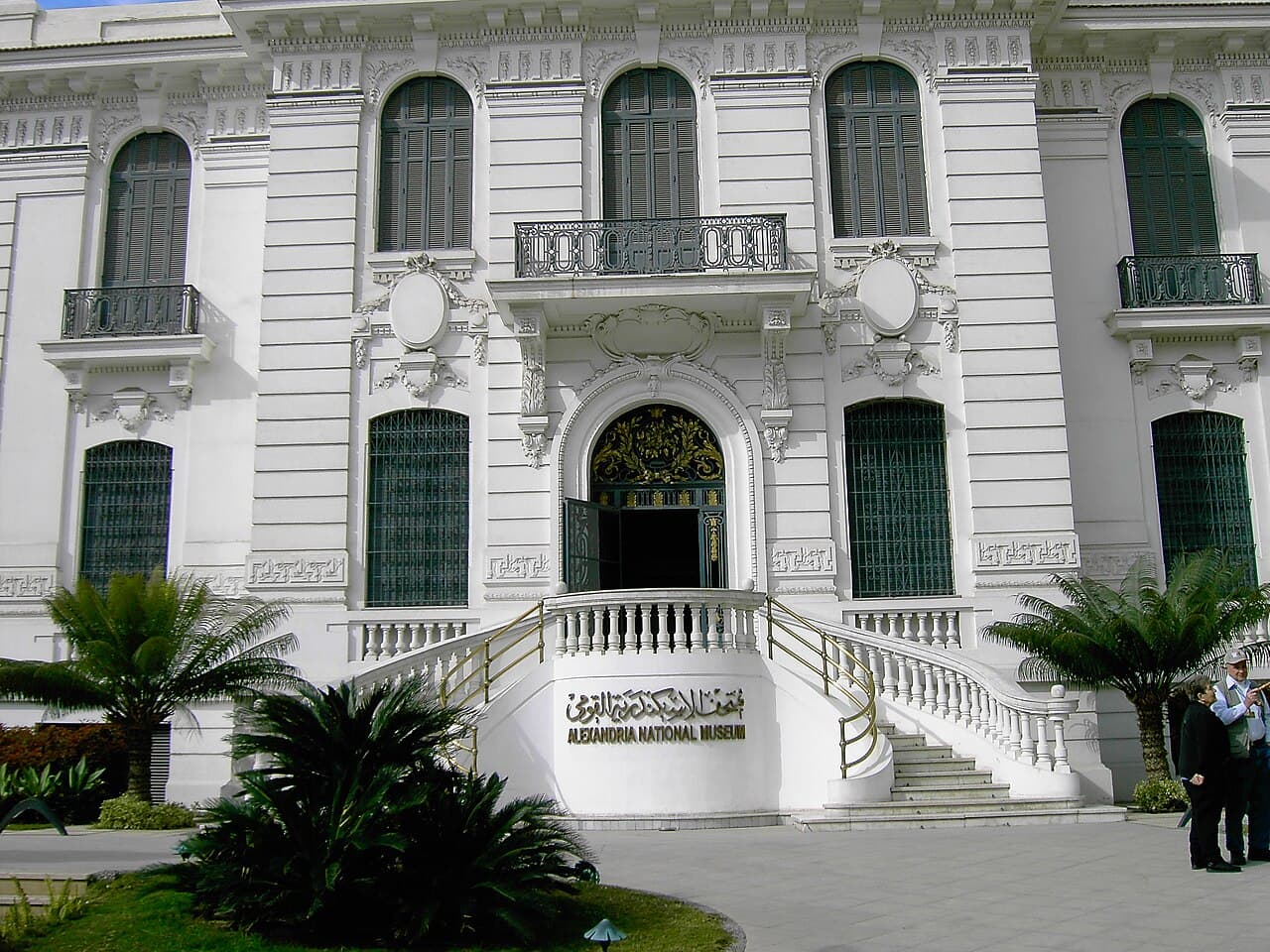
A Neo-classical portico with columns and pediment; Ptolemaic marble sculpture and the figure of Serapis.

7 documented memories

Its place in time

The cosmopolitan city · 1860 – 1950

The district at the height of its plurality: Greek, Italian, French, Levantine, Jewish and Armenian communities; the tram, theatres, hotels and cafés; classical, Art Nouveau and Art Deco buildings.

Highlights

  • 1The Serapis cult collection
  • 2Roman mosaics
  • 3Hybrid Egyptian-Greek sculpture
  • 4The classical façade

The story

  1. Founded in the late nineteenth century in response to the flood of discoveries across the city, the museum moved into its present classical-fronted building in 1895.

  2. It holds thousands of statues, coins, mosaics and sarcophagi, including an important group relating to the cult of Serapis, and sculptures that combine Egyptian features with Greek style.

  3. The museum closed for redevelopment in 2005 and reopened on 11 October 2023, with a new presentation placing its collections in their historical context.
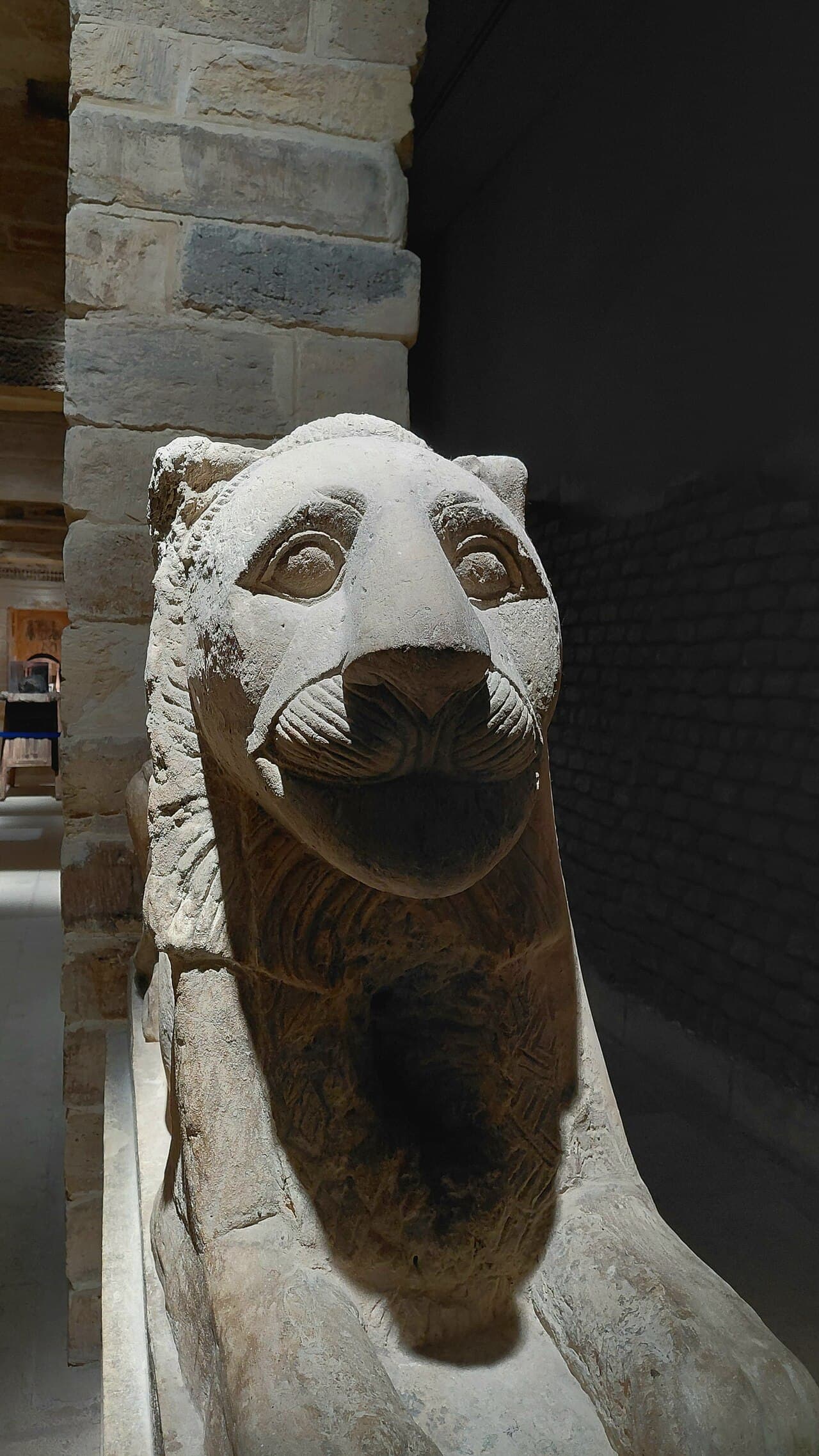
  • A carved stone lion on display in one of the halls of the Graeco-Roman Museum
    A carved stone lion on display in one of the halls of the Graeco-Roman Museum

Memories of the place

Every memory is taken from a published, documented source.

  1. 1889Sources differ on this date

    According to the Ministry of Tourism and Antiquities, the idea of the museum began with the Italian scholar Giuseppe Botti, who wanted to protect Alexandria’s antiquities from loss and destruction. Other official texts give 1891.

  2. 17 October 1892Sources differ on this date

    Khedive Abbas Hilmi II opened the museum in five rented rooms on Rue de Rosette, with Giuseppe Botti as its first director until his death in 1903. One scholarly study dates the opening to 1893.

  3. 1894

    Nubar Pasha laid the foundation stone of the new Neo-classical building designed by the architects Dietrich and Stenon.

  4. 26 September 1895

    Khedive Abbas Hilmi II opened the museum’s new building, which had taken a single year to build.

  5. 1904–1931

    The Italian archaeologist Evaristo Breccia directed the museum from 1 April 1904 to 29 October 1931; Achille Adriani was appointed in 1932 to continue his work.

  6. September 2005

    The museum was closed for a comprehensive project to expand and develop it, which added an upper floor and a new display.

  7. 11 October 2023

    Prime Minister Mostafa Madbouly reopened the museum after almost two decades of restoration and rehabilitation.

Around it