Downtown DistrictAlexandria Governorate
Arts & cultureThe Lycée Al-Horreya

Arts & cultureThe cosmopolitan city

The Lycée Al-Horreya

Alexandria’s French lycée began in the 1909–1910 school year; its Shatby building, begun in 1913, preserves part of the city’s educational history.

The cosmopolitan city
1909–1910 — the Shatby building from 1913
Opening hours
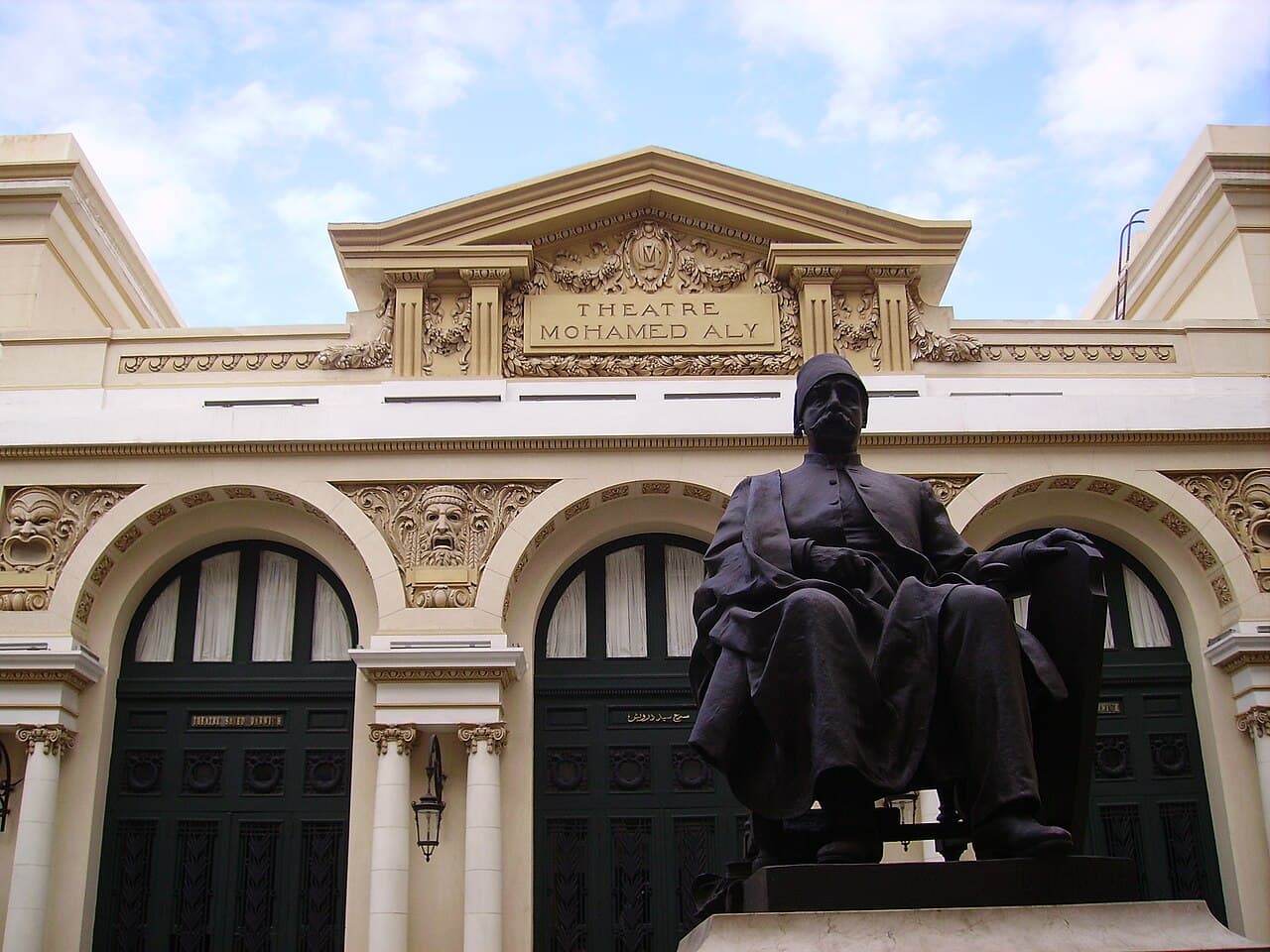
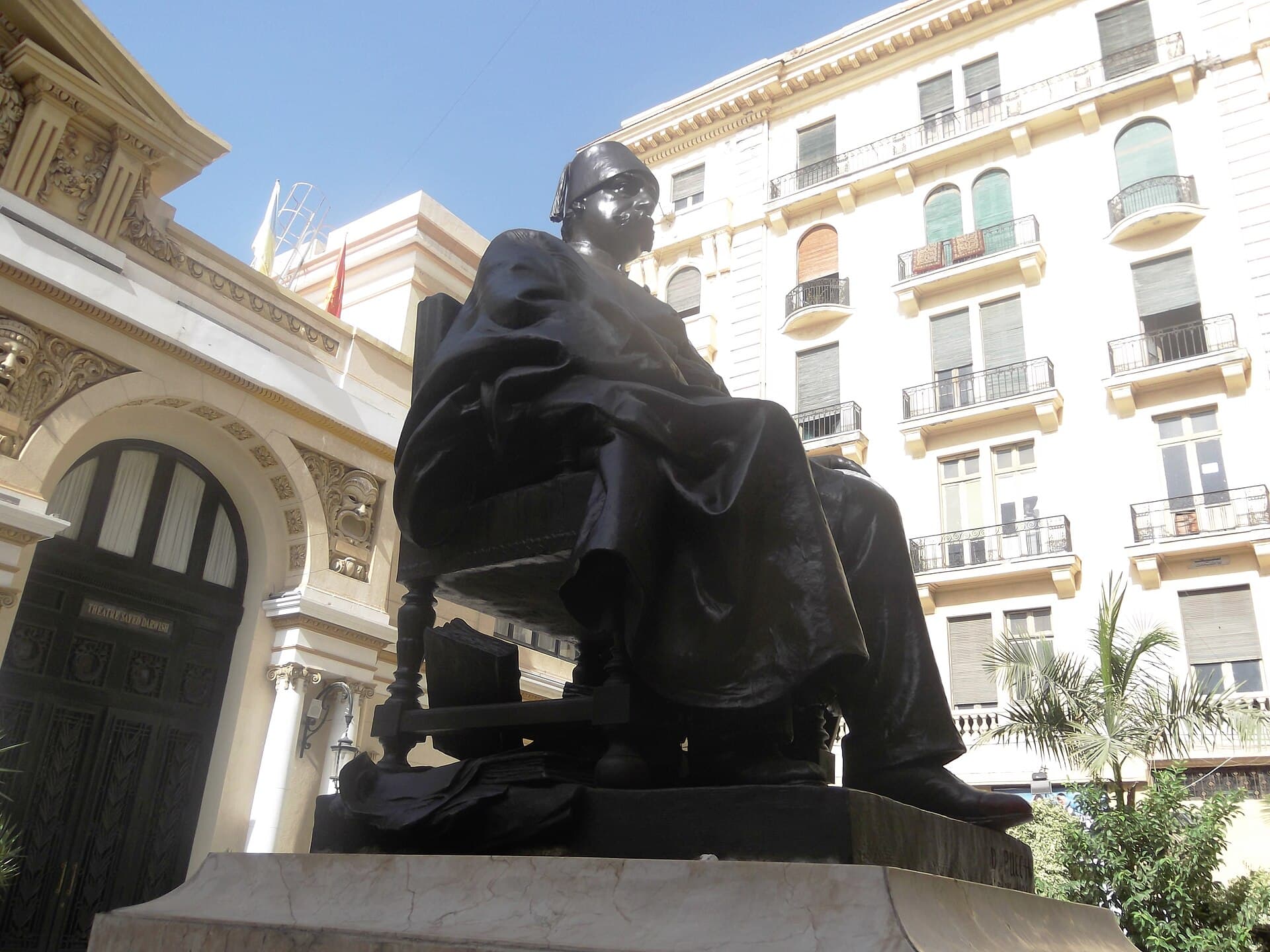
A working school, seen from outside; its theatre, run by the state’s Artistic House of Theatre, admits audiences for performances
Tickets
No visits inside the school; the theatre is entered for performances
Administrative section
Bab Sharqi — El Shatby

What sets it apart

A school building given a “Greek temple” look by the architect Erlanger, and a theatre fronted by the mural “Tarh al-Bahr”

9 documented memories

Its place in time

The cosmopolitan city · 1860 – 1950

The district at the height of its plurality: Greek, Italian, French, Levantine, Jewish and Armenian communities; the tram, theatres, hotels and cafés; classical, Art Nouveau and Art Deco buildings.

Highlights

  • 1Erlanger’s “Greek temple” front
  • 2The school theatre, a state stage
  • 3Its El Shatby setting
  • 4Its part in the city’s educational history

The story

  1. The lycée opened for the 1909–1910 school year under the patronage of the Mission laïque française, which took it over in 1910. It served Alexandria’s many communities, with Jews, Greek Orthodox, Muslims and Catholics among its pupils. In 1913 the first stone of its new building was laid in Shatby.

  2. The architect Erlanger gave the building its “Greek temple” look, and it has its own theatre hall. After the Suez crisis of 1956 the school was closed and sequestrated; in 1957, under Egyptian control, it became the Lycée al-Horreya — the Lycée of Freedom.

  3. The building remains an active school under the Egyptian state. Its theatre, rented by the state’s Artistic House of Theatre, reopened in October 2020 after rehabilitation. View the school’s façade from outside, respecting pupils’ privacy and the school’s access rules.

Memories of the place

Every memory is taken from a published, documented source.

  1. 1909–1910

    The French lycée of Alexandria began under the patronage of the Mission laïque française, which took it over at the start of the 1910 school year; the Mission’s archives hold its correspondence from 1909.

  2. 1913

    The first stone of the school’s new building was laid in Chatby. Sources differ on the day, and on whether the land was a gift of the Alexandria municipality or bought by the Mission.

  3. 1914–1949

    Marcel Fort headed the lycée for more than thirty years. He was one of the main inspirers of France’s 1920s policy towards Muslim schools, which centred on the Alexandria lycée.

  4. Second World War

    Cut off from France, the heads of Egypt’s four French lycées distanced themselves from the Vichy-controlled legation and declared the Mission laïque’s headquarters provisionally transferred to Egypt.

  5. 1956

    After the nationalisation of the Suez Canal and the Franco-British military intervention, Nasser’s government closed the Mission laïque’s schools in Egypt and placed them under sequestration.

  6. 1957

    The lycées passed under Egyptian control and became the “lycées al-Horreya” — lycées of Freedom.

  7. 1959–1961

    After the Zurich agreements the Mission laïque briefly ran some of the lycées again for two school years; they closed again when French diplomats were accused of espionage and put on trial.

  8. Nasser era

    The school joined the Ministry of Education's National Institutes and is now run by the Egyptian government.

  9. 19 October 2020

    Culture Minister Inas Abdel Dayem and Alexandria Governor Mohamed El-Sherif reopened the Lycée Al-Horreya Theatre in El Shatby after three years’ closure.

Around it

© OpenStreetMap

Nearby landmarks

Distances are as the crow flies. Choose any pin to open that place.