 Arab Republic of Egypt · Official portal — Alexandria Governorate
Highlights
- 1Works by modern Egyptian pioneers
- 2The history of the Alexandria Biennale
- 3The Calligraphy Museum and the Fine Arts Library
- 4The garden and activity halls
The story
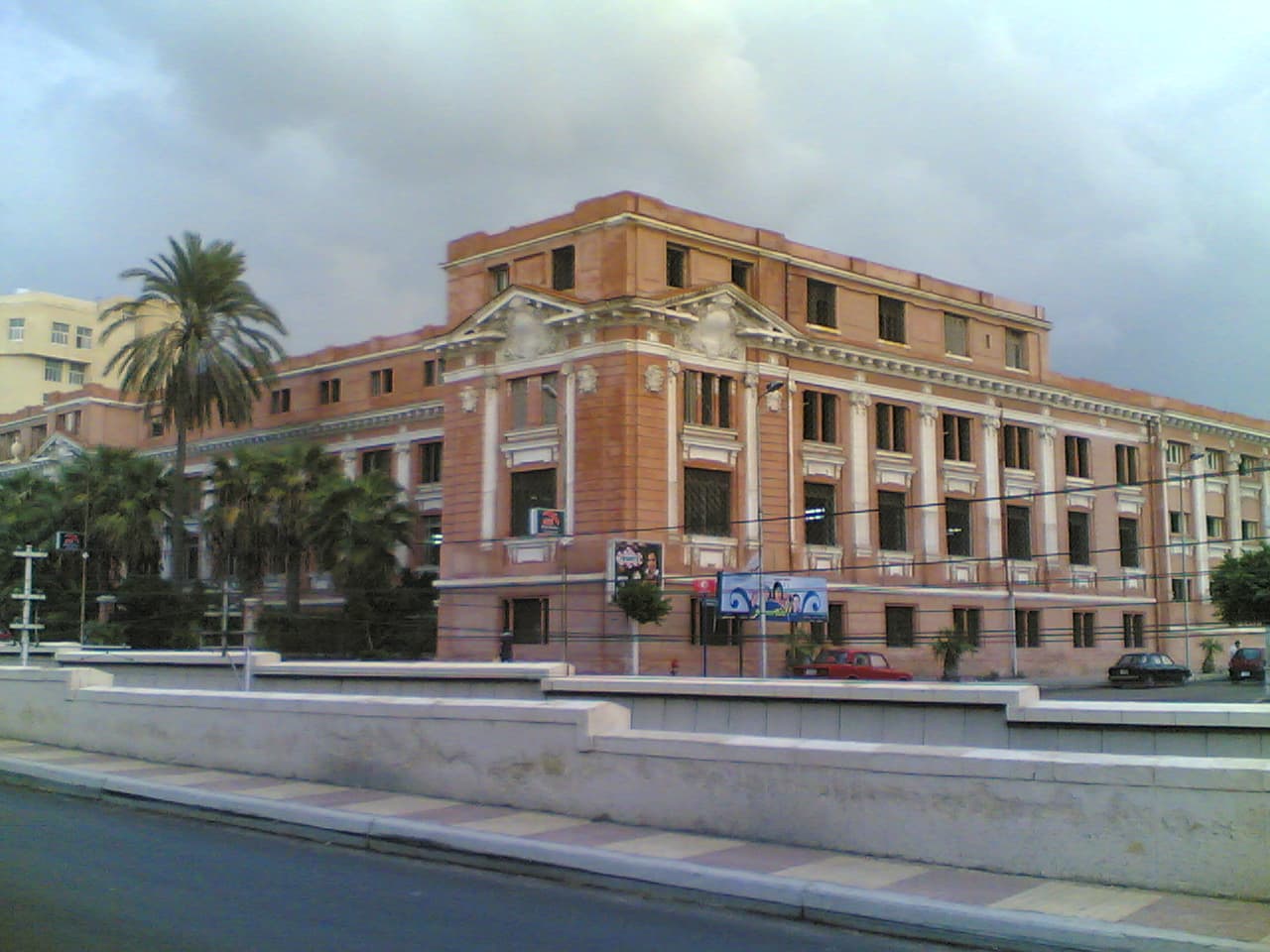
The museum’s story is usually traced to 1904, when Alexandria’s municipality received a collection of paintings from a German collector. In 1936 Baron Félix de Menasce gave the municipality a villa and its land in Moharram Bek for a library and art museum; in 1940, during the Second World War, a bomb hit the library and the villa was pulled down. The municipality, under its director Hussein Sobhi, then commissioned a new building, completed as the city’s art museum in 1954.
Its 1,381 works, by the official count, include the pioneers of modern Egyptian art and European paintings in Baroque, Rococo, Romantic and Orientalist styles. Closed, according to the press, since 1981 except for the Biennale, the museum reopened on 8 January 2013. It now forms a complex with the Museum of Arabic Calligraphy, opened in 2015, and the Fine Arts Library of about 200,000 volumes, and has a garden used for activities.
The museum is associated with the Alexandria Biennale for Mediterranean Countries, first held in July 1955. That connection adds a history of artistic exchange between the city and the Mediterranean to its collections. The Biennale paused after its 2014 edition; the Ministry of Culture announced its return for September 2026, with events spread across the city.